Information the Builder Should Know to Maximize the Longevity of Your Biggest Life Investment

From Mountains to Coast: Adapting Home Designs for NC’s Diverse Climate
North Carolina is a state of contrasts. The stunning Appalachian Mountains meet the picturesque coastline. For many who call Raleigh and Wake County home, the thought of building a custom "getaway home" in the mountains or on the coast is enticing. Understanding the intricacies of home construction in these areas is critical.
This diverse geography creates a rich tapestry of climates. Each region presents unique challenges and opportunities for those looking to build. Whether you're drawn to the cool breezes of the mountains or the warm, humid air of the coast, you must adapt your home design accordingly.
This article explores the key elements of North Carolina home designs, focusing on creating comfortable, durable, and aesthetically pleasing homes that thrive in their specific environments.
Table of Contents
- Understanding NC's Climate Zones
- Key Design Features of Coastal Homes
- Key Design Features of Mountain Homes
- Universal Elements for NC Custom Home Designs
- Conclusion
Understanding NC’s Climate Zones
North Carolina is divided into two primary zones: coastal and mountainous. Each zone has distinct characteristics that influence home design. Understanding North Carolina's climate can be crucial for builders.
Coastal Region Challenges
The coastal areas are characterized by high humidity, frequent storms, and the risk of flooding. These factors necessitate specific design features to ensure homes remain safe and comfortable. Key considerations include:
- Humidity Management: High moisture levels lead to potential mold and decay. Homes must incorporate materials and ventilation systems that combat these issues.
- Storm Preparedness: Hurricanes and tropical storms are common. Homes need to be built to withstand strong winds and heavy rain.
- Flood Resistance: Elevated foundations and effective drainage systems are essential in flood-prone areas. They protect the home from water damage.
Mountain Region Considerations
Conversely, North Carolina's mountainous regions experience cooler temperatures, significant snowfall, and strong winds. Home designs must account for:
- Temperature Variations: Homes should be well-insulated to retain warmth in winter and remain cool in summer.
- Wind Resistance: Structures must withstand high winds, especially in exposed areas.
- Erosion and Stability: Building on slopes requires careful planning to prevent erosion and ensure structural stability.
Understanding these climate zones is the first step in creating custom home designs that are functional and resilient.
Key Design Features for Coastal Homes
When it comes to coastal home construction, several design elements are critical to ensuring safety and comfort.
Hurricane-Resistant Construction
The coastal region is frequently impacted by hurricanes and tropical storms, particularly between June and November. To protect against these storms, homes should feature:
- Reinforced Roofing: Strong roofs designed to withstand high winds are essential. Investing in metal connectors and roof clips increases wind resistance.
- Impact-Resistant Windows: These windows reduce the risk of shattering during storms while maintaining indoor conditions.
- Hurricane Shutters: An important window treatment for additional protection.
Flood Prevention
Flooding is a significant concern in coastal areas, especially in low-lying regions. Homeowners should consider:
- Elevated Foundations: Building homes on pilings or elevated platforms keeps them above floodwaters.
- Proper Drainage Systems: Ensuring effective drainage around the home directs water away from the foundation.
Moisture Control
To combat humidity, coastal homes should utilize:
- Weather-Resistant Materials: Choose materials that can withstand moisture without deteriorating.
- Ventilation Systems: Proper airflow helps reduce humidity levels and prevents mold growth.
Other Coastal Considerations
- Use corrosion-resistant materials like stainless steel and galvanized fasteners.
- Apply UV-resistant paint, vinyl, or composite siding.
- Conduct routine pest inspections and consider treated wood or composite materials.
- Consider erosion control measures like retaining walls or sea oats for dune stabilization.
- Install solar panels rated for wind uplift, maximizing great sun exposure.
Incorporating these features into the custom home design can yield beautiful and resilient coastal homes.
Key Design Features for Mountain Homes
Mountain homes require a distinct set of design considerations to thrive in their unique environment.
Insulation and Heating Efficiency
To combat the colder temperatures found in the mountains:
- High-Quality Insulation: Use materials with a high R-value to keep homes warm during winter months.
- Efficient Heating Systems: Consider options like radiant floor heating or efficient HVAC systems to maintain comfort.
Wind-Resistant Structures
Given the potential for high winds, mountain homes should feature:
- Secure Roofing: Roofs must resist wind uplift to remain intact during storms.
- Robust Siding: Durable siding materials can protect against wind and weather damage.
Slope Management
Building on slopes requires careful planning:
- Erosion Control: Incorporate landscaping and drainage solutions to prevent soil erosion.
- Foundation Stability: Use appropriate foundation types to provide stability on uneven terrain.
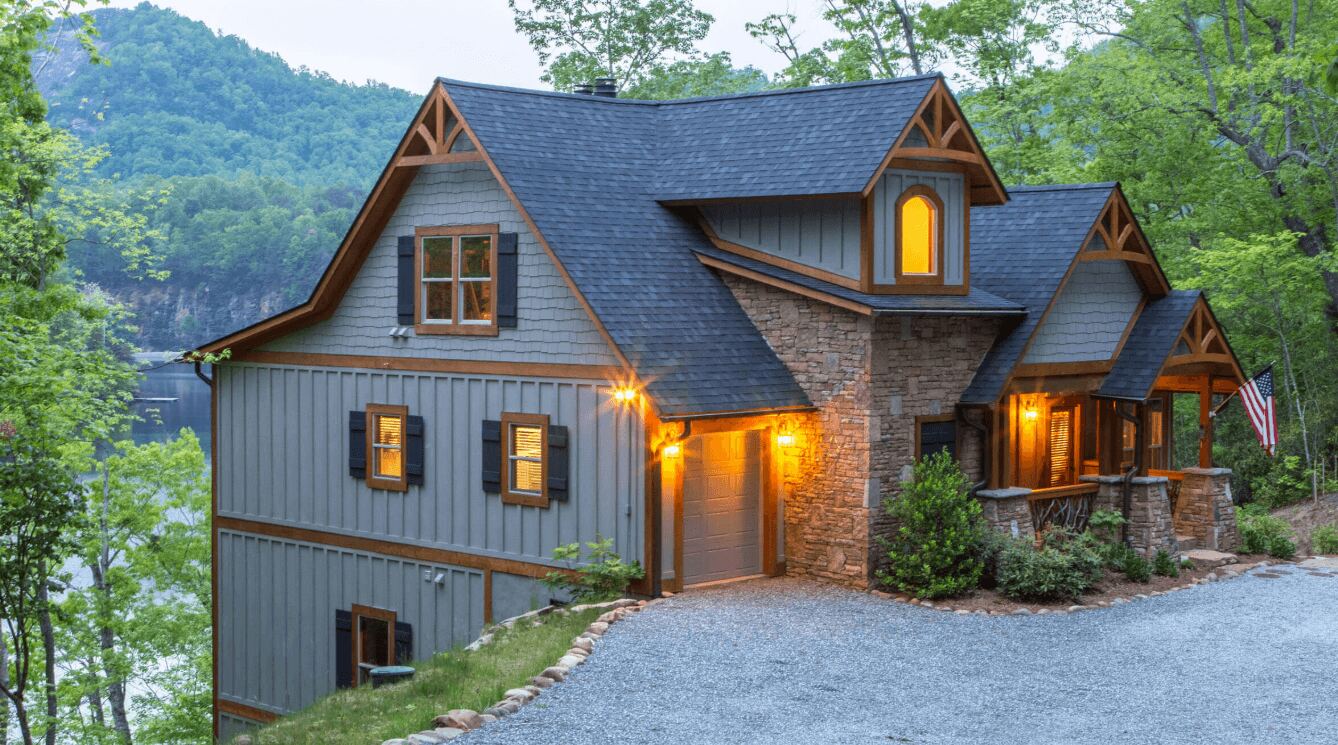
These features help mountain homes withstand the harsh conditions often found in elevated areas.
Universal Elements for NC Custom Home Designs
While coastal and mountain homes have unique challenges, several design elements are beneficial across North Carolina.
Energy-Efficient Windows and Doors
- Double or Triple Glazing: These windows reduce heat loss in winter and keep homes cooler in summer.
- Quality Seals: Properly sealing windows and doors prevents drafts and enhances energy efficiency. You can read more on energy-efficient home upgrades in our latest blog.
Durable Roofing Materials
- Metal or Slate Roofing: These materials withstand the diverse weather conditions in North Carolina, providing longevity and protection.
- Reflective Coatings: Consider coatings that reflect sunlight, helping keep homes cooler in summer.
Sustainable Home Upgrades
Incorporating sustainable features can enhance a home's resilience:
- Solar Panels: Utilizing renewable energy sources can significantly reduce utility bills.
- Rainwater Harvesting: Systems that collect and reuse rainwater mitigate flooding and conserve water.
These universal design elements improve comfort and contribute to the long-term sustainability of the custom home build.
Conclusion
In summary, adapting home designs for North Carolina's diverse climate is essential for creating comfortable and durable living spaces. By understanding the unique challenges presented by coastal and mountain environments, homeowners can make informed decisions about their custom home designs.
Incorporating key features such as hurricane-resistant construction, effective insulation, and sustainable upgrades can significantly enhance a home's resilience.
As you embark on your journey to build or renovate your home, consider the many ways you can adapt your design to North Carolina's beautiful and varied landscape. Thoughtful planning and collaboration with home building experts will ensure that your home reflects your style and serves as a safe haven against the elements.
Embrace the opportunity to create a space that thrives in its environment, enjoying the comfort and beauty it brings for years to come.
This article provides a comprehensive overview of adapting home designs across North Carolina's diverse climates. It emphasizes the importance of thoughtful planning and expert guidance.
If you're ready to take the next step in your home-building journey, reach out to a Butler Homes Construction & Remodeling professional who can help you bring your vision to life!
For immediate answers to custom home designs, give us a call at 919-616-6902 or fill out our Contact Us form to get started.
Part of the team at Butler Homes, designing and building homes across Raleigh, Cary, Apex and greater Wake County.