Custom Starter Home vs. Existing Home: Cost, Timeline & Lifestyle in Wake County

Is a Custom Starter Home Worth it in Wake County?
Choosing your first home in Wake County is a big deal. Prices are climbing, homes sell fast, and there never seem to be enough good listings. At the same time, there are more lots and small pockets of land opening up across the area, which makes building feel tempting too.
Many first-time buyers wrestle with one main question: should you build a custom starter home or buy an existing home? The choice affects how much cash you need up front, how long you wait to move in, and what your daily life feels like once you get the keys.
As a local residential construction and remodeling company in North Carolina, we spend a lot of time helping buyers sort through this choice. We know the neighborhoods, the permitting steps, and what is realistic for a first home. Let’s walk through what really changes when you build with a custom starter home builder instead of buying a resale house.
Upfront Costs and Long-Term Value Compared
With a custom starter home, the money you need up front is spread over a few stages instead of all at once. You are usually looking at:
-
Lot purchase
-
Design and engineering fees
-
Permit costs with the local town or county
-
Construction deposits and progress payments
With an existing home, the main upfront costs usually show up around closing:
-
Down payment and closing costs with your lender
-
Home inspection and possibly a survey
-
Immediate repairs, safety updates, or cosmetic changes
-
Short-term fixes to get the home comfortable and safe to live in
While the structure of the costs is different, the big question is long-term value. A new custom home lets you choose:
-
Modern, energy-efficient HVAC and appliances
-
Better insulation and windows suitable for North Carolina weather
-
A floor plan that fits how you actually live, so you are using the whole house
Over time, that often means lower utility bills, fewer surprise repairs, and less money wasted on “temporary” fixes that you end up replacing a few years later.
Financing works differently too. For a custom build, many first-time buyers look at construction-to-permanent loans. These start as a construction loan while we are building, then roll into a regular mortgage when the home is finished. Some buyers also combine this with local first-time buyer programs in Wake County, which can help with down payment or closing costs.
With an existing home, you are usually getting a standard mortgage. That can feel simpler, but you may also be borrowing extra money or draining savings to cover repairs, new flooring, or a kitchen update that you want right away. The best move is always to talk with a local lender who understands both types of financing and can show you what payments and cash needs look like side by side.
Timeline Reality Check for Building vs. Buying
Building a custom starter home takes more steps, so it naturally takes longer than buying a resale house. A typical build timeline in Wake County often looks like this:
-
Lot selection and offer
-
Design meetings, floor plan review, and selections
-
Permitting with your local town or county
-
Site prep and foundation
-
Framing, mechanicals, insulation, and drywall
-
Interior finishes, exterior details, and final inspections
Depending on weather and permitting speed, a summer start can set you up to move in around the holidays or shortly after. You are not racing weekend open houses, but you are planning several months out.
With an existing home, the timeline is shorter but can be stressful. Many buyers go through:
-
Weeks or months of searching and touring homes
-
Multiple offers and bidding against other buyers
-
Inspections, possible re-negotiations, and lender approvals
-
Closing day, then several weeks of painting, small fixes, and moving in
The process can move quickly when you find the right house, but you may still be living out of boxes while you patch walls or update a bathroom.
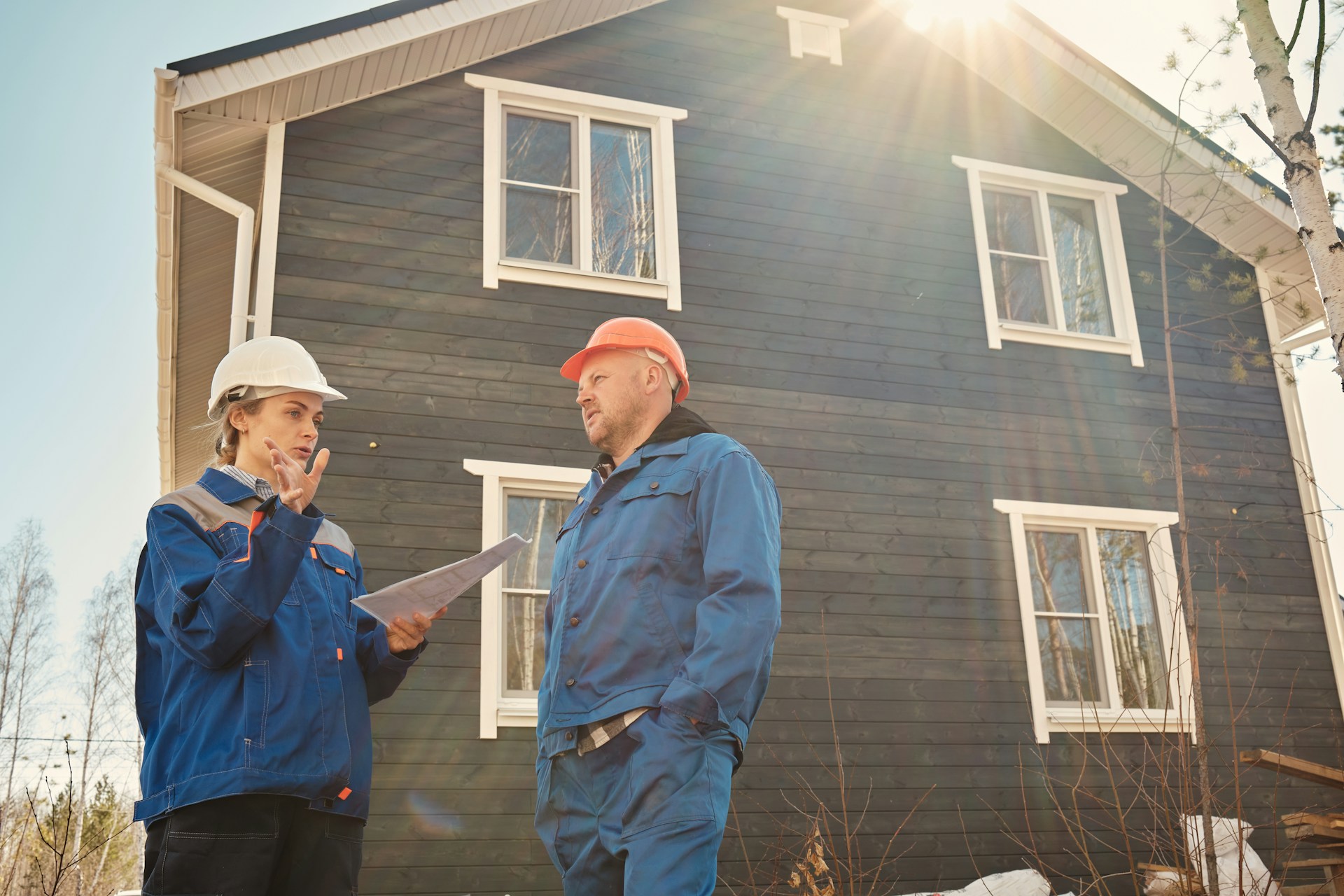
When you work with an experienced custom starter home builder, our job is to keep the build process clear and predictable. We set expectations for:
-
When you make design decisions
-
When big milestones like framing or drywall should happen
-
How weather or material delays might affect your target move-in date
You trade the hurry of competing for a resale home for a planned, step-by-step schedule.
Lifestyle Fit, Design Flexibility, and Daily Comfort
Lifestyle is where the difference between building and buying really shows up. In Wake County, first-time buyers often care about:
-
Commute times to Raleigh, RTP, or nearby towns
-
School options for now or a few years down the road
-
Outdoor space for kids, pets, or a garden
-
Access to parks, trails, and local shops
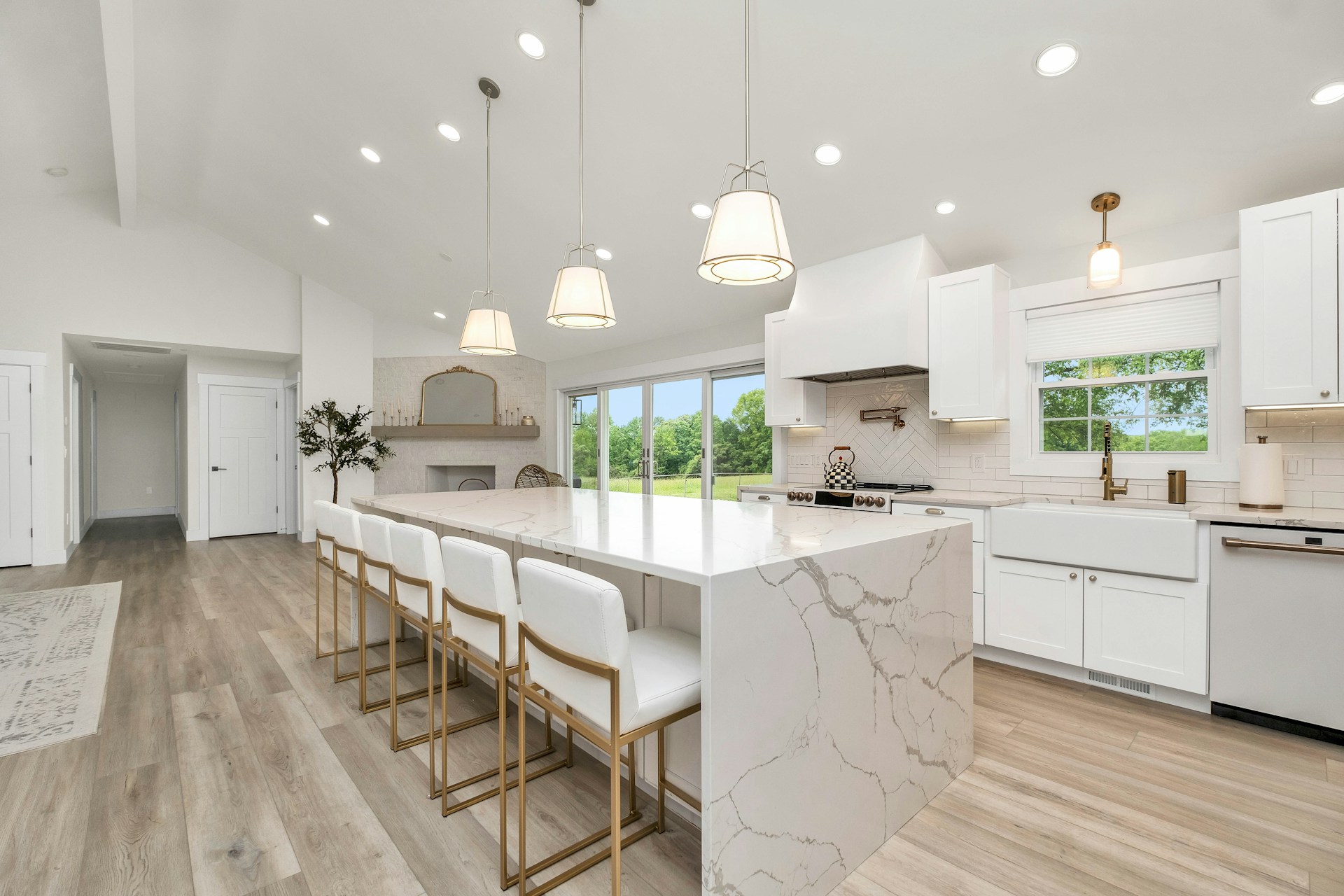
When you build, you can choose a lot that fits those priorities. Maybe you want a quieter street, a little more yard, or an easier drive to work. You are not trying to force your life into someone else’s choices.
Inside the home, a custom plan lets you size things for how you live:
-
A real entry with hooks and storage instead of walking straight into the living room
-
A small home office or flex space if you work from home sometimes
-
A kitchen designed for how you cook, not just how it looked on a real estate listing
-
Places for pets, guests, or hobbies so you are not tripping over clutter
Existing homes often come with compromises: awkward hallways, a too-small primary bedroom, or a kitchen that needs a total overhaul. You might accept these because the house is available now, but they can grow frustrating over time.
A new custom home also comes with modern safety and energy codes already built in. That can mean better airflow, safer electrical systems, and a home that simply feels more solid. There is real peace of mind in starting fresh instead of wondering what is inside the walls.
Maintenance, Remodeling, and Resale Potential
For the first several years, a well-built custom starter home should have very little maintenance beyond normal homeowner care. The roof, HVAC, windows, and plumbing are all new. You are not inheriting old patch jobs or unknown issues.
In an older existing home, you may need to plan for:
-
HVAC service, upgrades, or full replacement
-
Roof repairs or replacement earlier than you hoped
-
Window and door issues that affect comfort and energy bills
-
Plumbing or electrical updates to bring things to current standards
Many first-time buyers also start planning remodels almost right away: finishing a bonus room, redoing a kitchen, or adding storage. When we design a custom starter home, we like to talk about what life might look like five or ten years from now. That might include:
-
Space that can shift from a guest room to a nursery or office
-
A bonus room that can grow into a playroom or media room later
-
Areas that are easy to finish or upgrade when budget allows
Planning for that flexibility now can save you from a big, disruptive remodel down the road.
For resale, Wake County buyers often respond well to homes that feel thoughtful and current. A newer custom home with a smart layout, quality finishes, and good curb appeal can be very attractive when it is time for your next move. Keeping good records of plans, permits, and builder details also helps protect your equity and gives future buyers confidence in what they are purchasing.
How to Decide and Take Your Next Step Confidently
Choosing between building and buying comes down to a few key questions:
-
How much cash do you have for upfront costs and how flexible is your budget?
-
When do you want to move, and how firm is that date?
-
How do you feel about living through ongoing repairs in an older home?
-
How long do you expect to stay in this first home?
If you need to move quickly, a resale home might fit better. If you can plan ahead and want a home tailored to you, a custom starter home can be worth the wait.
A helpful next step is to talk with a local lender about both a traditional mortgage and a construction-to-permanent loan, then compare monthly payments, cash needs, and timing. From there, walking a few lots and touring several existing homes can open your eyes to what your budget can realistically buy in each path.
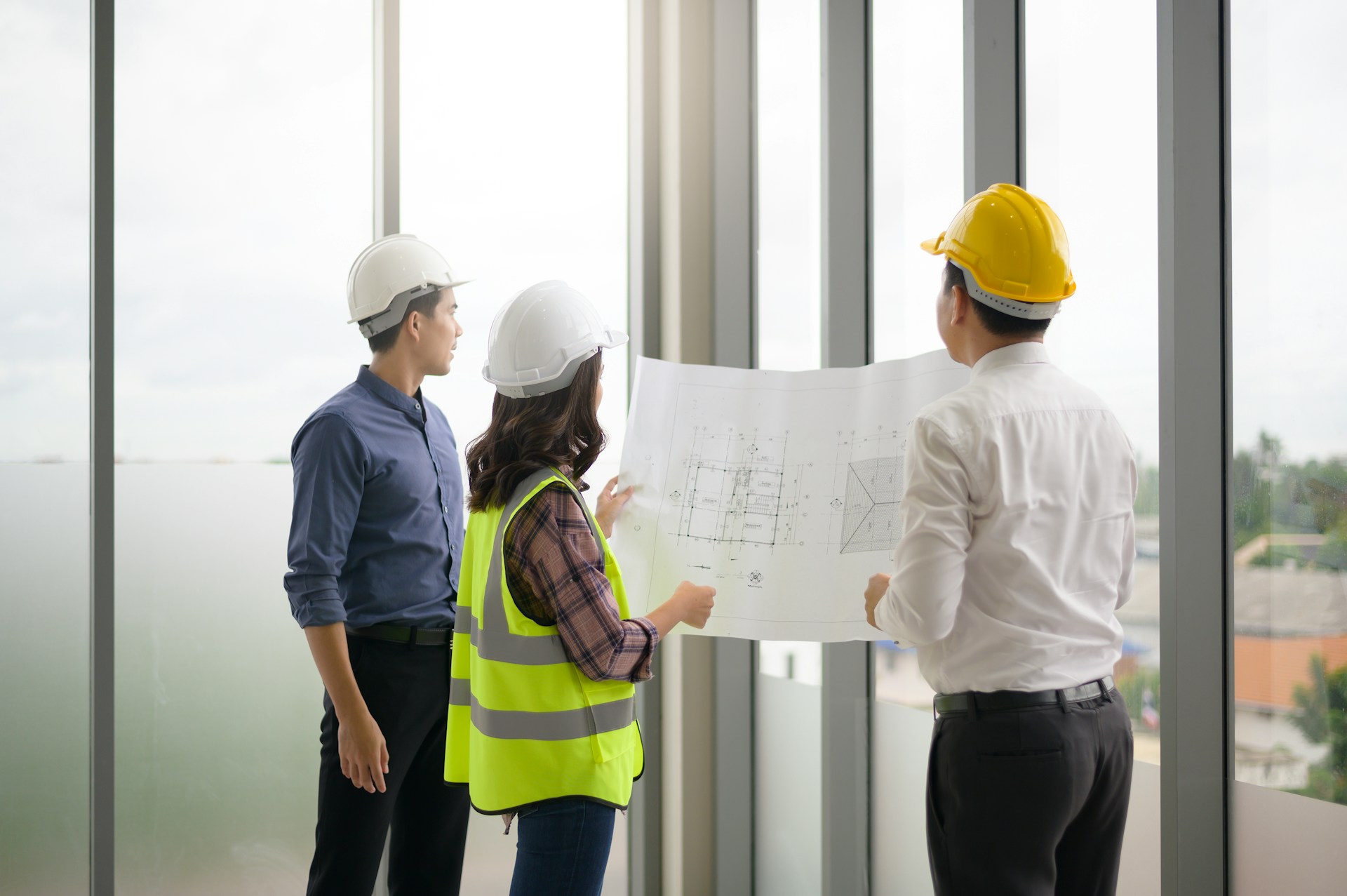
As a licensed, insured residential construction and remodeling company in North Carolina, we are here to help first-time buyers weigh these choices with clear information. A relaxed planning session where we look at rough budget ranges, sample timelines, and possible layouts can make the decision feel less stressful and more exciting.
Get Started With Your Project Today
If you are ready to plan the layout, finishes, and features that truly fit your lifestyle, we are here to help you take the first step. At Butler Homes, our team will guide you through each stage so your new space feels personal, practical, and aligned with your budget. Explore how working with a dedicated custom starter home builder can bring your ideas to life with clarity and confidence. Have questions or want to schedule a consultation now? Simply contact us to get started.
Part of the team at Butler Homes, designing and building homes across Raleigh, Cary, Apex and greater Wake County.