Eco-Friendly Home Designs for Sustainable Living: Embracing Sustainable Home Designs

Creating a home that respects the environment and supports sustainable living is more than just a trend—it's a lifestyle choice that benefits us all. When I first started exploring eco-friendly home designs, I was amazed at how many simple yet effective options are available. Whether you're building a new house or renovating an existing one, sustainable home designs can help reduce your carbon footprint, save money, and create a healthier living space.
Let’s dive into some practical ideas and inspiring concepts that can help you transform your home into an eco-friendly haven.
Why Sustainable Home Designs Matter
Sustainable home designs focus on minimizing environmental impact while maximizing comfort and efficiency. This means using materials and technologies that reduce waste, conserve energy, and promote healthier indoor air quality. The benefits go beyond the environment—these homes often cost less to maintain and provide a more comfortable living experience.
For example, using natural insulation materials like sheep’s wool or recycled denim can keep your home warm in winter and cool in summer without relying heavily on heating or air conditioning. This reduces energy consumption and lowers utility bills.
Another key aspect is water conservation. Installing low-flow faucets, dual-flush toilets, and rainwater harvesting systems can significantly reduce water usage. It’s a win-win for your wallet and the planet.
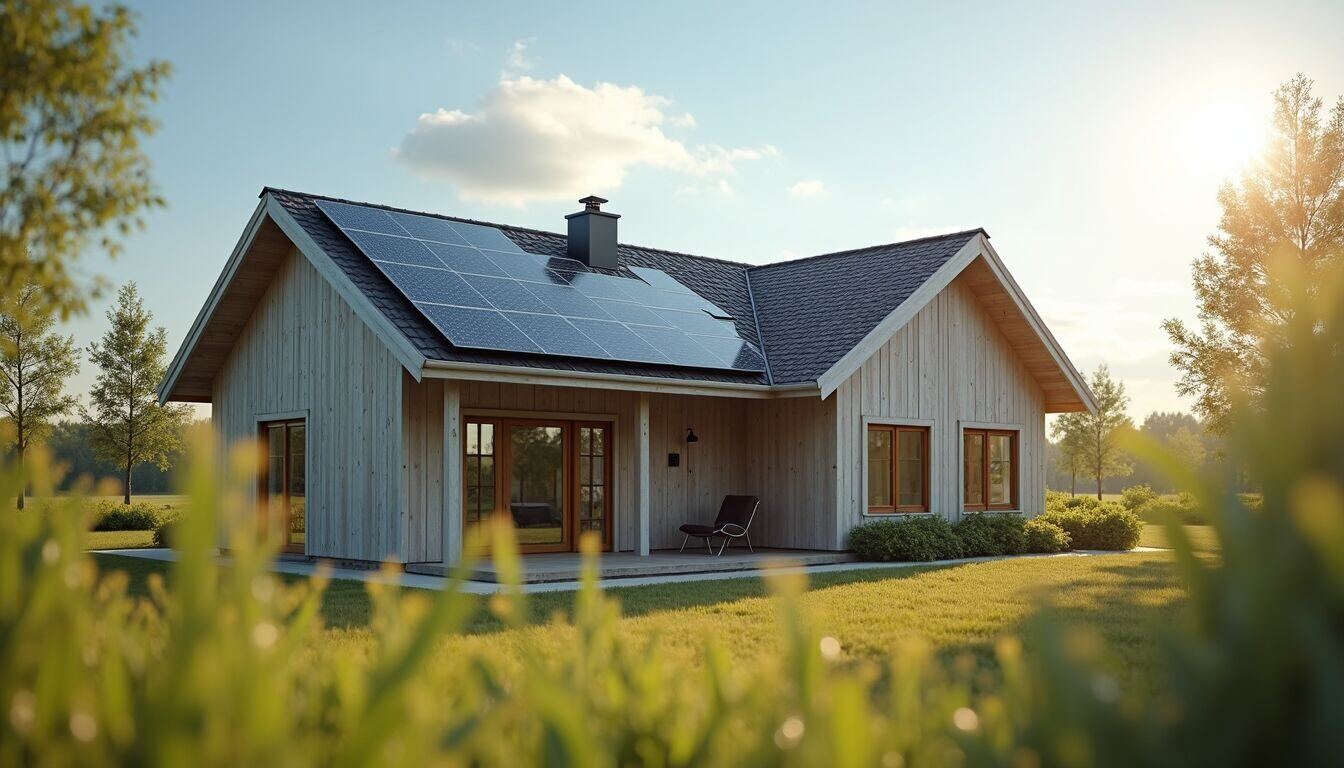
Sustainable home designs also encourage the use of renewable energy sources such as solar panels or small wind turbines. These systems can power your home with clean energy, reducing dependence on fossil fuels.
Key Elements of Sustainable Home Designs
When planning your sustainable home, consider these essential elements:
1. Energy Efficiency
Energy efficiency is the cornerstone of sustainable home designs. Start with proper insulation and airtight construction to prevent heat loss. Use energy-efficient windows with double or triple glazing to keep the temperature stable inside.
Switch to LED lighting and energy-efficient appliances. These small changes can add up to big savings over time.
2. Sustainable Materials
Choose materials that are renewable, recycled, or have a low environmental impact. Bamboo flooring, reclaimed wood, and recycled metal are excellent options. Avoid materials that release harmful chemicals or are sourced unsustainably.
3. Water Conservation
Incorporate water-saving fixtures and systems. Consider greywater recycling, which reuses water from sinks and showers for irrigation. Rainwater harvesting can also supply water for your garden or toilets.
4. Indoor Air Quality
Use non-toxic paints, finishes, and adhesives to reduce indoor air pollution. Proper ventilation is crucial to keep fresh air circulating and prevent mold growth.
5. Smart Home Technology
Integrate smart thermostats, lighting controls, and energy monitors. These tools help you track and reduce energy use effortlessly.
By focusing on these elements, you can create a home that’s not only eco-friendly but also comfortable and cost-effective.
Designing with Nature in Mind
One of the most inspiring aspects of sustainable home designs is how they work with nature, not against it. Here are some ways to incorporate natural elements into your design:
Passive Solar Design
Position your home to maximize natural sunlight during winter and provide shade in summer. Large south-facing windows (in the northern hemisphere) can capture heat from the sun, reducing heating needs.
Natural Ventilation
Design your home to allow cross-ventilation. Strategically placed windows and vents can create a natural airflow, cooling your home without air conditioning.
Green Roofs and Walls
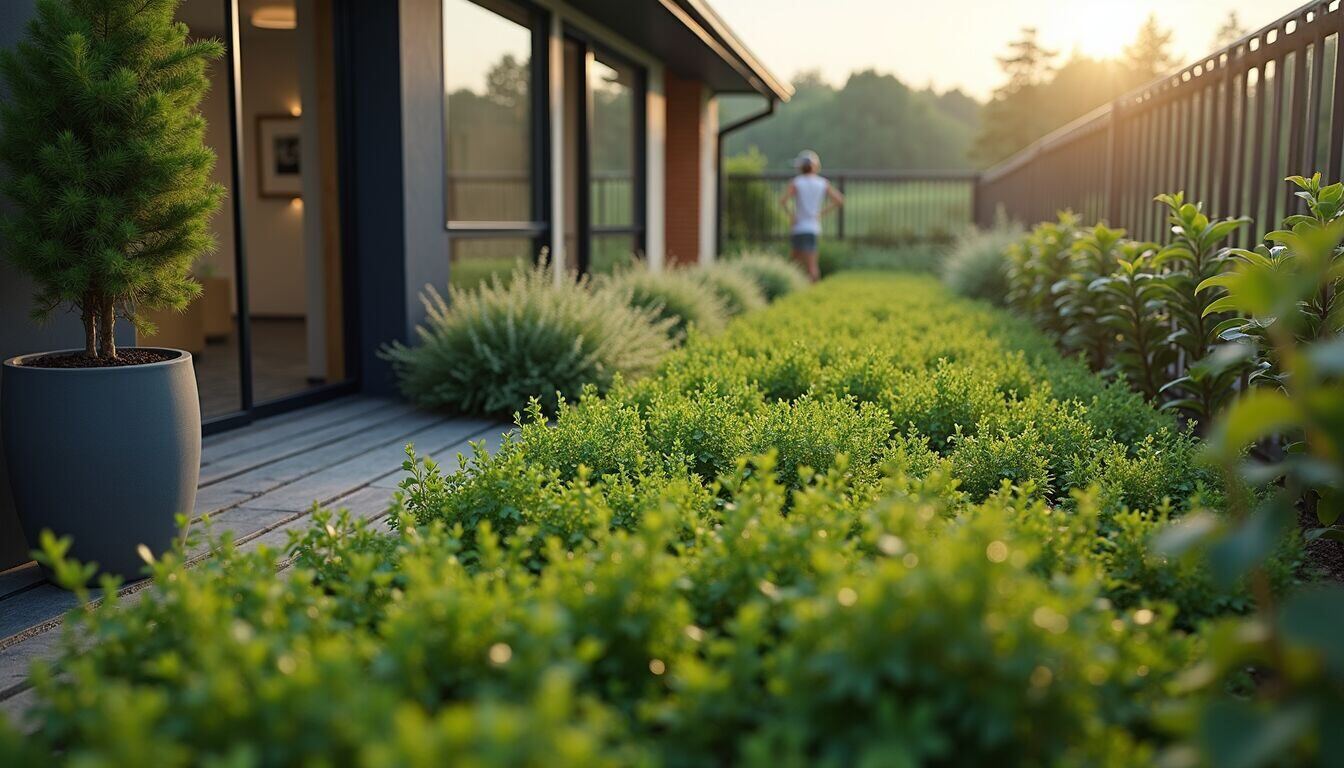
Green roofs and living walls add insulation, reduce stormwater runoff, and improve air quality. Plus, they create beautiful, natural spaces right on your home.
Native Landscaping
Use native plants in your garden to reduce water use and support local wildlife. Native plants are adapted to your region’s climate and soil, making them easier to maintain.
Practical Tips for Implementing Eco-Friendly Home Design
If you’re ready to start your journey toward sustainable living, here are some actionable steps:
- Assess Your Current Home Identify areas where you can improve energy efficiency, water use, and materials. Simple audits can reveal surprising opportunities.
- Set Realistic Goals Decide what changes are most important to you and your budget. You don’t have to do everything at once.
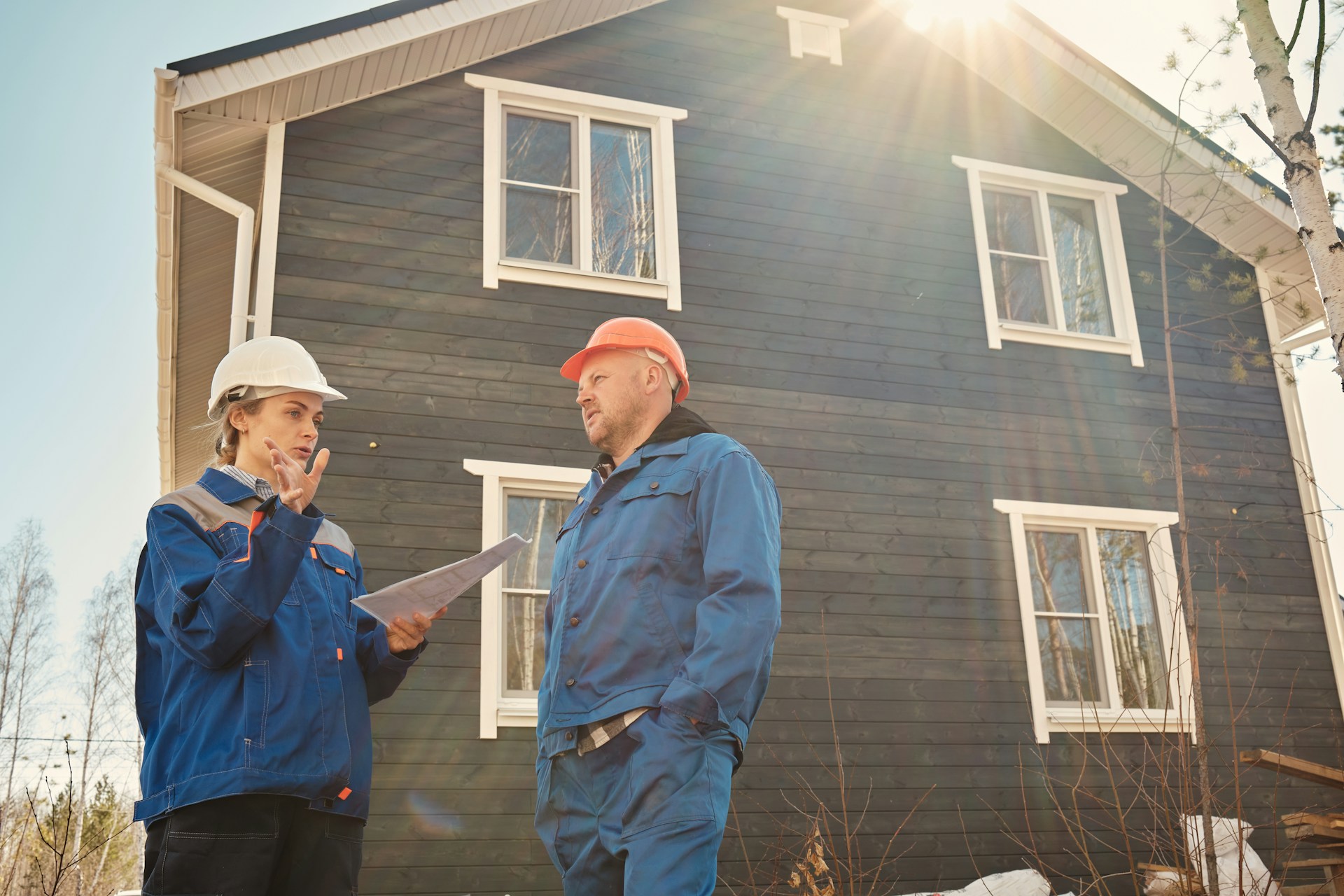
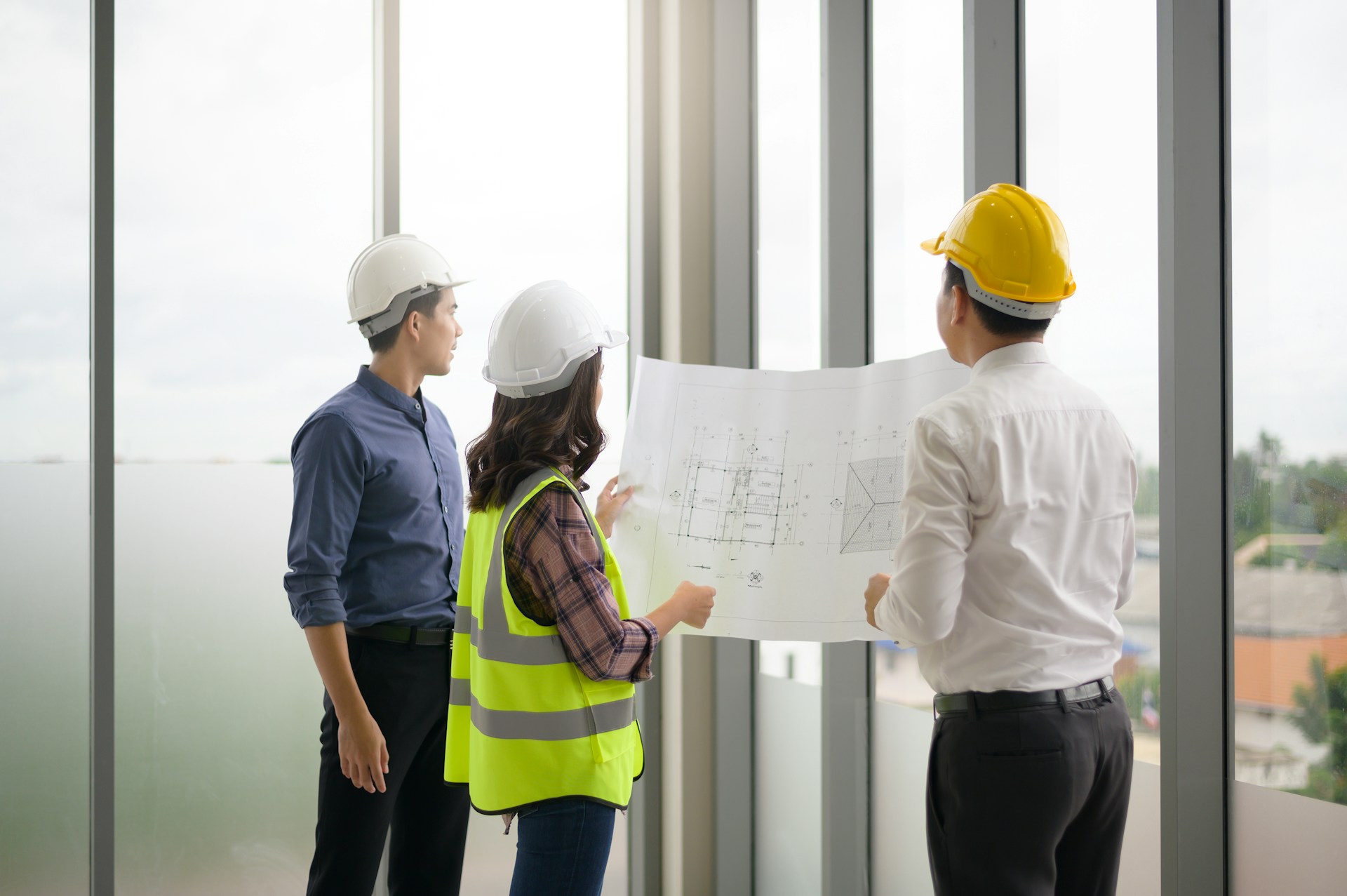
- Work with Professionals Architects and builders experienced in sustainable home designs can guide you through the process and help avoid costly mistakes.
- Choose Quality Over Quantity Invest in durable, high-quality materials and appliances that last longer and perform better.
- Involve Your Family Sustainable living is a team effort. Encourage everyone in your household to adopt eco-friendly habits.
- Stay Informed Keep learning about new technologies and practices. The field of sustainable home design is always evolving.
Remember, even small changes can make a big difference over time. And if you want to explore more about eco friendly home design, there are plenty of resources and communities ready to support you.
Living the Sustainable Lifestyle
Designing an eco-friendly home is just the beginning. Sustainable living extends to daily habits and choices. Here are some ways to keep your home and lifestyle aligned with your values:
- Reduce Waste: Compost organic waste and recycle whenever possible.
- Conserve Energy: Turn off lights and unplug devices when not in use.
- Support Local: Buy local and seasonal foods to reduce your carbon footprint.
- Use Eco-Friendly Products: Choose cleaning and personal care products with natural ingredients.
- Grow Your Own Food: Even a small garden or balcony planter can provide fresh herbs and vegetables.
By integrating these habits, your home becomes a true sanctuary for sustainable living.
Your Journey Starts Today
Transforming your home into a sustainable space is a rewarding journey. It’s about making thoughtful choices that benefit you, your family, and the planet. Whether you’re just starting or already on the path, every step counts.
I encourage you to explore the possibilities, experiment with ideas, and enjoy the process. Sustainable home designs are not just about saving energy or water—they’re about creating a healthier, happier place to live.
So why wait? Start planning your eco-friendly home today and take pride in building a better future for yourself and generations to come.
Part of the team at Butler Homes, designing and building homes across Raleigh, Cary, Apex and greater Wake County.